Keyhole Heart Surgery
Keyhole heart surgery avoids breaking the breastbone. How it works, is it safe, who's a candidate, and recovery times from Mr Inderpaul Birdi, 25 years' experience. Read MoreASSOCIATED CONDITIONS


KEYHOLE SURGERY
- Coronary Artery Bypass Graft (CABG) Keyhole Surgery
- Keyhole Aortic Valve Replacement Surgery
- Keyhole Atrial Septal Defect (ASD) Repair
- Keyhole Mitral Valve Replacement Surgery
- Keyhole Tricuspid Valve Repair & Replacement Surgery
- Mitral Valve Repair
- Quadruple Heart Bypass Surgery
- Triple Bypass Surgery
HEART CONDITIONS
What Is Keyhole Heart Surgery? Complete Guide
Keyhole heart surgery – also called minimally invasive cardiac surgery – is heart surgery performed through small incisions between the ribs instead of splitting open the breastbone (a sternotomy). It’s used to treat conditions including blocked coronary arteries, valve disease, and atrial fibrillation, and it typically allows patients to heal within days rather than the two to three months needed after traditional open-heart surgery.
At The Keyhole Heart Clinic, Mr Inderpaul Birdi has performed the procedure for 25 years – over 2,000 minimally invasive operations – and is one of only a handful of surgeons worldwide able to perform keyhole coronary bypass and keyhole aortic valve repair.
How does keyhole heart surgery work?
Instead of dividing the breastbone to open the chest, the surgeon operates through one or more small incisions – typically between the ribs or in the groin – using specialised long-reach instruments and, in some procedures, a camera for visualisation. The heart is repaired or the artery bypassed through this small access point, avoiding the need to break any bone at all.
Is keyhole heart surgery safe?
As with any heart surgery, keyhole procedures carry risk, and that risk is assessed individually for every patient at consultation, based on their specific condition, anatomy and overall health. What keyhole surgery removes is the additional risk that comes specifically from breaking the breastbone – including the roughly 3-4% chance of bone infection associated with a full sternotomy. Mr Birdi has performed over 2,000 minimally invasive procedures across 25 years; the specific risks and suitability for your case are explained in full before any decision is made.
Who is a candidate for keyhole heart surgery?
Most patients who need surgery for a blocked artery or valve disease are potential candidates for a keyhole approach – the deciding factors are the specific condition, its severity, and individual anatomy, which is why every case is reviewed on imaging before a recommendation is made. Patients who have been told elsewhere that they aren’t suitable for keyhole surgery, or that open surgery is their only option, are welcome to request a second opinion – a full review of existing imaging often identifies a keyhole route that wasn’t previously offered.
What conditions can be treated with keyhole heart surgery?
- Blocked coronary arteries
- Aortic valve disease
- Mitral valve repair
- Mitral Valve Replacement
- Tricuspid valve disease
- Atrial septal defect (ASD)
- Atrial fibrillation
- Bicuspid aortic valve repair and replacement
- Aortic Root Replacement
Keyhole vs open heart surgery: what’s the difference?
| Keyhole (minimally invasive) | Open (sternotomy) | |
|---|---|---|
| Access | Small incisions between the ribs | Full breastbone division |
| Typical wound healing | About a week | Around 12 weeks |
| Scar | Roughly 3 inches | Roughly 12 inches |
| Bone infection risk | None — no bone is broken | ~3-4% |
| Return to normal activity | Weeks | 2-3 months |
For the full comparison, including which conditions are and aren’t suitable for each approach, see our [Open Heart Surgery vs Keyhole Heart Surgery guide] (link once that page is rewritten).
How long is recovery from keyhole heart surgery?
Because the breastbone isn’t divided, wounds typically heal within about a week, and most patients return to normal daily activity within a few weeks – compared with two to three months after traditional open-chest surgery.
Who performs keyhole heart surgery at The Keyhole Heart Clinic?
Mr Inderpaul Birdi leads every case personally – from consultation through to surgery and post-operative follow-up. He trained at the Royal Papworth and Royal Brompton Hospitals, holds an honours degree from the University of Nottingham, and is a three-time TopDoctors Award winner (2022, 2023, 2025). Learn more about Mr Birdi HERE
Frequently asked questions
Does keyhole heart surgery leave a scar? Yes, but a much smaller one than open surgery – typically around 3 inches, compared to roughly 12 inches for a full breastbone incision, and it’s usually positioned to be easily covered by normal clothing.
Is keyhole heart surgery available privately or on the NHS? The Keyhole Heart Clinic is a private clinic, seeing patients in London, Nottingham, and online, with consultations available without a GP referral.
How do I find out if I’m a candidate? Contact the clinic with any existing scans or diagnosis – Mr Birdi’s team reviews imaging before your consultation so you leave with a clear answer on your options.
How much does keyhole heart surgery cost? Cost depends on the specific procedure, hospital, and any pre-existing conditions.
Patients talk about their experience of Keyhole Heart Surgery
Mr Inderpaul Birdi talks about the benefits of keyhole surgery
Services
How We Can Help You
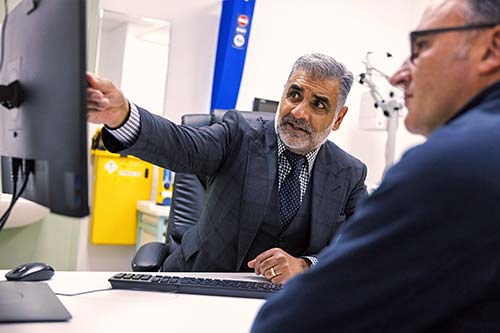

Coronary Artery Bypass Graft (CABG) Keyhole Surgery
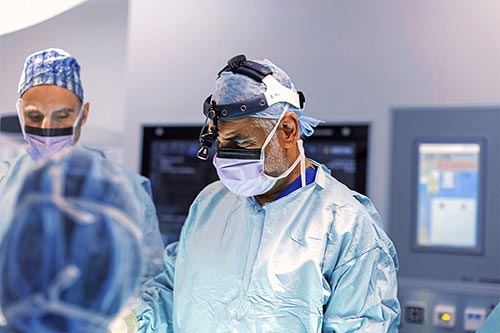
Keyhole Aortic Valve Replacement Surgery
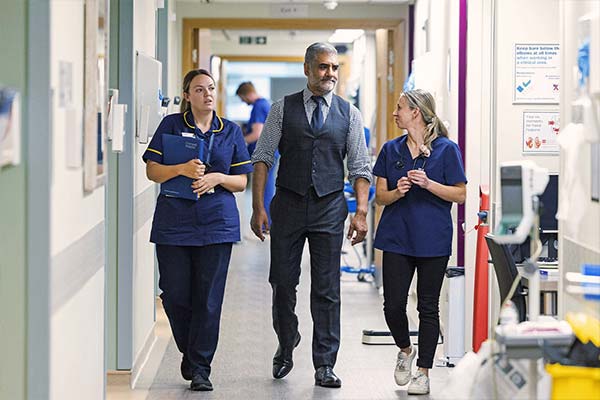

Keyhole Atrial Septal Defect (ASD) Repair
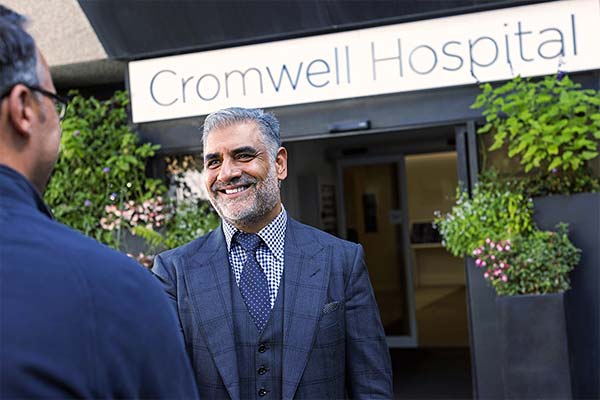
Keyhole Mitral Valve Replacement Surgery

Keyhole Tricuspid Valve Repair & Replacement Surgery
Mitral Valve Repair
Quadruple Heart Bypass Surgery