Cardiac Rehabilitation
Cardiac rehabilitation (CR) is a vital part of your recovery after heart surgery, even for minimally invasive keyhole procedures. At The Keyhole Heart Clinic, we provide personalised programmes through Clinical Exercise, delivered by a certified cardiac rehab team.

KEYHOLE SURGERY
- Coronary Artery Bypass Graft (CABG) Keyhole Surgery
- Keyhole Aortic Valve Replacement Surgery
- Keyhole Atrial Septal Defect (ASD) Repair
- Keyhole Mitral Valve Replacement Surgery
- Keyhole Tricuspid Valve Repair & Replacement Surgery
- Mitral Valve Repair
- Quadruple Heart Bypass Surgery
- Triple Bypass Surgery
HEART CONDITIONS
Our Cardiac Rehabilitation Programme
We recommend supervised rehabilitation for all patients who have undergone treatment for heart disease under our care.
The Keyhole Heart Clinic has partnered with Angela Hartley and her cardiac rehabilitation team at Clinical Exercise to offer you one-to-one exercise and lifestyle programmes, as well as other healthcare services, following your heart treatments.
Hartley has many years of experience as a cardiac nurse and exercise specialist, and aims to support her clients’ recovery and quality of life with personalised programmes.
Angela Hartley: Cardiac Nurse & Exercise Specialist
Nurse Angela helps patients reclaim an active, energetic life after heart surgery or complications from cardiovascular disease.
Through safe, personalised cardiac programmes, she supports clients to:
- Rebuild fitness
- Optimise nutrition
- Support risk factor management and long-term heart health
Her experience and qualifications include:
Qualifications
| Professional Experience
|
With over 15 years of experience in cardiac nursing and exercise rehabilitation, Angela combines clinical expertise with genuine care. She provides evidence-based guidance and personalised support throughout each patient’s recovery journey.


Angela Hartley
Cardiac Nurse and Exercise Specialist


Certified Cardiac Rehabilitation Programme
Nurse Hartley leads cardiac nursing at CP+R, where the Cardiac Rehabilitation Programme has achieved Green Certified Status from the British Association for Cardiovascular Prevention and Rehabilitation (BACPR).
Green status means the programme meets all 7 minimum national standards for cardiac rehabilitation and is recognised for quality and safety. This recognition is based on the latest National Audit of Cardiac Rehabilitation (NACR) results from the NHS Arden & GEM CSU.
This means that:
- The cardiac rehab programme meets all national standards for cardiac rehabilitation
- NACR independently verifies your outcomes
Cardiac Rehab Services
Our programmes are designed to support recovery in a safe, supervised and individualised way with a professional cardiac rehabilitation team.
6-Week Programme
Includes:
-
90-minute initial clinical assessment (medical history, blood pressure, heart rate, body measurements, short exercise test, goal setting, and diet discussion)
-
Personalised health plan (with liaison with your doctor where appropriate)
-
Five further 60-minute supervised exercise sessions (weekly)
-
Food diary review and nutritional guidance
-
Ongoing support via phone, email or text
12-Week Programme
Includes:
-
Initial assessment with a Clinical Nurse (health, medical, exercise and nutritional history, measurements, and short exercise test)
-
Liaison with your doctor as needed
-
Goal setting and a tailored exercise plan
-
Nutritional review with gradual, practical changes
-
Either 12 weekly or 24 twice-weekly 60-minute sessions
-
Home or gym exercise programme
-
Support between sessions via phone, email or text
-
Food diary review and nutritional guidance
Remote (Zoom/FaceTime) Programmes
Remote programmes are available for patients who prefer to take part from home or live further afield.
These include:
-
Initial assessment covering medical history, medications, lifestyle and exercise background
-
Liaison with your doctor where appropriate
-
Personalised goals and exercise plan
-
Nutritional review and guidance
-
Weekly one-to-one video sessions
-
Home or gym programme
-
Ongoing support via phone, email, or text
Bespoke Cardiac Rehab & Exercise Sessions
Individual programmes can include a combination of:
-
Supervised exercise sessions
-
Nutritional guidance
-
Home exercise programmes
-
Ongoing support
Additional lifestyle services may be discussed separately where appropriate.
Disclaimer: Nutritional guidance is provided as general lifestyle support and does not replace medical or dietetic advice.
Who We Work With
Nurse Hartley regularly works with a range of heart problems and cardiac-related conditions, such as:
| Heart conditions:
Cardiac Events:
| Following a cardiac procedure or treatments:
|
Potential Benefits of Cardiac Rehabilitation
Following a heart attack, cardiac event, or diagnosis of a heart condition, personalised cardiac rehabilitation may offer a positive impact on recovery, confidence and quality of life.
Patients may experience:
- Improved fitness and functional capacity to support everyday activities
- Increased weight management and strength, helping patients feel more confident
- Reduced risk factors for future heart disease through guided lifestyle changes
- Increased confidence returning to exercise after a cardiac event
- Improved energy levels for a more active life
- Benefits to mental health, mood, and emotional well-being
- Practical stress management and relaxation techniques to help manage stress
Cardiac rehabilitation can be a helpful part of recovery, supporting both physical health and emotional well-being after a cardiac event.
FAQs
What are the stages of cardiac rehabilitation?
In the UK, cardiac rehabilitation follows a structured six-stage pathway, as outlined by the National Institute for Health and Care Excellence (NICE) and promoted by BACPR.
- Acute Recovery
- Begins immediately after a heart event or procedure.
- Focuses on stabilisation and early recovery in the hospital.
- Patient Identification
- Patients are assessed for eligibility for cardiac rehab.
- Referral
- Eligible patients are referred to a cardiac rehab programme, usually within 24–72 hours of hospital discharge.
- Supervised Clinical Cardiac Rehabilitation
- Delivered in clinical settings, typically 6–12 weeks in length.
- Includes exercise assessment, personalised exercise plans, education and lifestyle support.
- Led by a multi-disciplinary team.
- Transition to Community Programmes
- Focuses on continued exercise, education, and healthy lifestyle guidance outside the hospital.
- Long-Term Management
- Supports ongoing heart health, behaviour change and self-management through community-based programmes.
These stages provide a structured route from hospital recovery to long-term heart health, ensuring care is safe, evidence-based and consistent with national standards.
Does age affect the benefits of cardiac rehabilitation?
Yes, age can influence which health improvements you are most likely to see after cardiac rehabilitation.
A large UK study using National Audit data compared outcomes in adults aged 18-65 and those aged 65 and over following CR. Both groups benefited, but in different ways.
-
Younger patients (18-65) tend to show greater improvements across a wider range of risk factors, particularly in smoking cessation, as well as physical activity and fitness.
-
Older patients (over 65) were more likely to improve in body-related measures, including body mass index (BMI) and waist size.
Overall, the study confirms that cardiac rehabilitation supports recovery at any age, with improvements observed across different age groups.
If you are interested to learn more about the cardiac rehabilitation services offered by Clinical Exercise, please visit their WEBSITE or call us on 02033683028.
References
- Al Quait A, Doherty P. Does cardiac rehabilitation favour the young over the old?. Open Heart. 2016;3:e000450. https://doi.org/10.1136/openhrt-2016-000450
- Crozier A, Watson PM, Graves LEF, George K, Naylor L, Green DJ, Rosenberg M, Jones H. Clinical exercise provision in the UK: comparison of staff job titles, roles and qualifications across five specialised exercise services. BMJ Open Sport Exerc Med. 2022 Jan 24;8(1):e001152. doi: 10.1136/bmjsem-2021-001152. PMID: 35136656; PMCID: PMC8788312.
Services
How We Can Help You
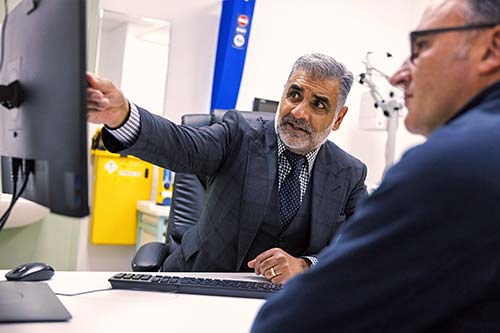

Coronary Artery Bypass Graft (CABG) Keyhole Surgery
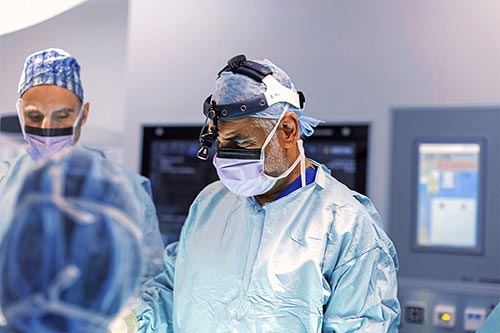
Keyhole Aortic Valve Replacement Surgery
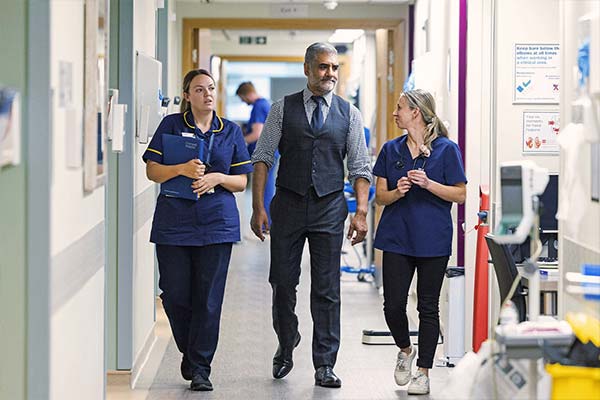

Keyhole Atrial Septal Defect (ASD) Repair
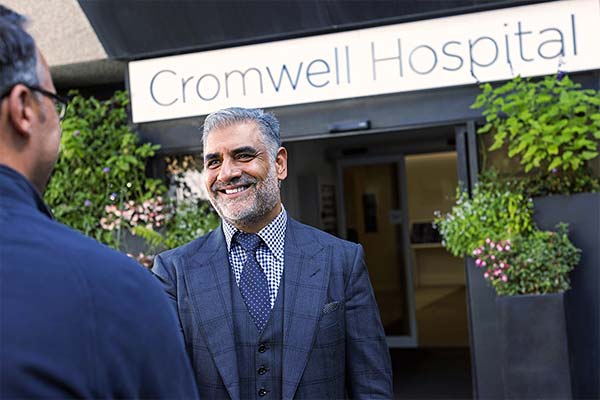
Keyhole Mitral Valve Replacement Surgery

Keyhole Tricuspid Valve Repair & Replacement Surgery
Mitral Valve Repair
Quadruple Heart Bypass Surgery