Valve Choices in Aortic Valve Replacement
The aortic valve can sometimes be repaired, but most patients who require surgery currently benefit most from surgical aortic valve replacement. There are two main valve choices in aortic valve replacement: animal tissue and mechanical heart valves.Last review by Dr Inderpaul Birdi (GMC 3407978): March 2026


KEYHOLE SURGERY
- Coronary Artery Bypass Graft (CABG) Keyhole Surgery
- Keyhole Aortic Valve Replacement Surgery
- Keyhole Atrial Septal Defect (ASD) Repair
- Keyhole Mitral Valve Replacement Surgery
- Keyhole Tricuspid Valve Repair & Replacement Surgery
- Mitral Valve Repair
- Quadruple Heart Bypass Surgery
- Triple Bypass Surgery
HEART CONDITIONS
Types of Aortic Valve Replacement
Disclaimer: The information on this page is for general guidance only and does not replace an individual clinical consultation. Mr Inderpaul Birdi will assess your suitability for treatment at your appointment.
Replacement procedures are often required due to a diseased or damaged aortic valve. There are a number of options available for aortic valve replacement, and your surgeon will help to guide you through decision-making.
Here are the valve types we most commonly use at The Keyhole Heart Clinic.
Mechanical Valve Replacement
Mechanical valve replacement (MAVR) is engineered to last a lifetime, making it one of the most durable options available.
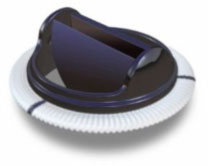

Mechanical aortic valves have three main components:
- Occluder: The moving part that opens and closes to control blood flow from the heart into the aorta.
- Valve housing: A strong ring-shaped structure that holds and guides the moving parts so the aortic valve opens and closes smoothly with each heartbeat.
- Sewing ring (sewing cuff): A fabric-covered ring that allows the surgeon to securely stitch the valve into place during aortic valve replacement surgery.
The main caveat with mechanical valves is their tendency to promote clot formation on the valve surface, requiring lifelong anticoagulation (blood thinners) with warfarin. Patients on daily warfarin need regular blood tests to ensure their anticoagulation remains within a safe and effective range.
On-X Carbon Valve
The On-X is a newer generation mechanical valve, made from pure pyrolytic carbon and designed to closely replicate the geometry of a native valve.
Its advanced engineering results in:
- Improved blood flow
- Reduced red blood cell damage
- Lower tendency to form clots compared to earlier mechanical valves
- Potentially reduced blood-thinning requirements
After an initial three-month period of standard anticoagulation (INR 2.0–3.0) to allow the valve to settle, suitable patients can transition to a lower warfarin target (INR 1.5–2.0) combined with low-dose aspirin.
This is supported by the PROACT trial and CE mark approval, making the On-X the only mechanical valve approved for this reduced anticoagulation protocol. However, current ESC guidelines recommend an individualised approach, and your care team will advise on the most appropriate regimen for your circumstances.
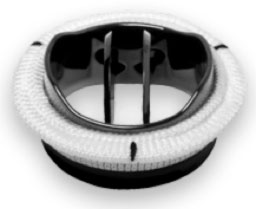

Cryolife, Inc On-X Carbon valve (Aortic)
Potential Complications
While MAVR offers many advantages, it carries inherent risks:
- Bleeding: Lifelong anticoagulation raises serious bleeding risks as the heart pumps blood. This potential complication is more common in older patients
- Infection: As with any valve replacement, endocarditis remains a risk
- Prosthetic valve dysfunction: Structural deterioration is extremely rare; complications are more commonly related to clotting or anticoagulation
Biological Valve Replacement
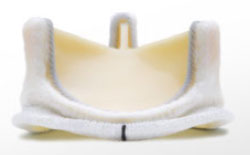

Edwards Lifescience Perimount Magna Bioprosthesis
Biological valves, also known as tissue or bioprosthetic valves, can be made from pigs’ valves or from the pericardium of a cow. The risk of cross-infection is extremely low due to rigorous processing and sterilisation, and warfarin is not a requirement.
A large long-term study followed more than 12,000 patients who received the Carpentier-Edwards PERIMOUNT bovine pericardial aortic valve. The results showed great durability. Only around 2% of valves required replacement due to structural wear at 10 years, and around 15% at 20 years.
Durability was generally very good, although younger patients were more likely to need another valve procedure over time. Overall, the findings support the long-term reliability of modern tissue aortic valves, particularly in older patients.
Another extended study found that bioprosthetic heart valves can function well for many years after surgery. Around 60% of patients remained free from major valve-related complications for 10 years.
Sutureless Heart Valves
Newer bioprosthetic valves, known as “Sutureless Valves”, are now available for heart valve replacement. These valves can be implanted more quickly than traditional valves, which may benefit patients at higher surgical risk or those undergoing keyhole aortic valve surgery.
The sutureless aortic valves used by teams at The Keyhole London Heart Clinic are made of the same material as tissue valves.
The PERSIST-AVR trial found that sutureless aortic valves performed comparably to traditional valve types at one year, with stable blood flow and low leakage rates. While early results are promising, long-term data are still limited, and further research is ongoing.
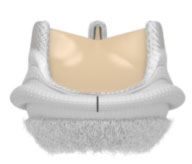

Edwards Lifescience Sutureless aortic valve
Possible Complications
Most patients enjoy positive results for many years, but complications can occasionally occur.
- Structural valve deterioration: Over time, the valve tissue may gradually wear out, stiffen, or calcify. If the valve no longer opens or closes properly, another valve procedure may eventually be required.
- Non-structural valve dysfunction: In some cases, the valve itself remains intact, but other factors affect its function. This can include blood leaking around the valve (paravalvular leak) or the valve being relatively small for the patient.
- Valve thrombosis: A blood clot may form on the valve, which can affect its movement and, in rare cases, increase the risk of complications such as stroke.
- Valve infection (endocarditis): Although uncommon, prosthetic valves can become infected.
Factors When Choosing Replacement Heart Valves
When aortic valve replacement is recommended, the next step is choosing the most suitable prosthetic option.
According to the 2025 ESC/EACTS Guidelines for the Management of Valvular Heart Disease, this decision is individualised and depends on factors such as:
- Age
- Life expectancy
- Lifestyle
- Bleeding risk
- Pregnancy plans
- Patient preference
Your heart surgeon will discuss these factors with you and help you choose the valve that best suits your case.
Trends in Aortic Valve Replacement Choice
A 2022 British Heart Foundation-supported study found a clear shift towards biological valves across all age groups between 1996 and 2018.
By 2018, most patients over 70 received a biological valve, while use in the 60–69 age group rose dramatically from 25% to 82%. Even in younger patients under 50, biological valves accounted for 28% of choices by 2018.
Follow-Up & Monitoring
After valve replacement, regular follow-up is an important part of long-term heart care. Patients with prosthetic heart valves are usually monitored throughout their lives to ensure the valve continues to function well and to check for any changes in heart health.
Current European guidance recommends regular clinical review and heart imaging after valve replacement. For patients with a biological valve, echocardiography is typically performed:
- In the first few months post-surgery
- At around one year
- Annually thereafter, or sooner if symptoms develop
Learn more about keyhole aortic valve replacement surgery and how this minimally invasive procedure is performed.
FAQs
Find out more about mechanical and biological valve replacements.
How long do replacement heart valves last?
Mechanical aortic valves often last a lifetime but require lifelong blood thinners. Bioprosthetic (tissue) valves usually last 10 to 20 years without long-term anticoagulation. Longevity depends on age, health, and valve type, and regular follow-up helps detect problems early.
Are there treatment options for a diseased aortic valve that do not require replacement or surgery?
If surgery or TAVI isn’t suitable, your cardiologist may manage symptoms with medications and regular monitoring. While these approaches can help control symptoms, valve replacement remains the definitive treatment for heart valve disease, like severe aortic regurgitation (leaky valve) or aortic stenosis (narrowed aortic valve).
Your heart team will evaluate the most appropriate option for you.
What is transcatheter aortic valve implantation?
Transcatheter aortic valve implantation (TAVI) is a minimally invasive alternative to surgical valve replacement. It is commonly recommended for older patients, those at higher surgical risk, or where a less invasive approach is preferred. This minimally invasive procedure does not require a heart-lung bypass machine.
Clinical trials show that TAVI offers outcomes comparable to surgery in many patient groups, although long-term durability remains under study. The most appropriate approach depends on individual factors and is decided by a multidisciplinary heart team. This means TAVI is no longer associated with a higher risk of stroke, and there is less concern about leakage around the edges of the new valve.
For patients requiring a good long-term result, heart valve surgery is generally advisable, but the best option depends on patient-specific factors. Modern-day TAVI valve procedures are improving all the time and will undoubtedly play a big role in the treatment of aortic valve disease in the future.
Are sutureless replacement valves better than transcatheter aortic valve implantation?
Studies show that sutureless surgical valves can have a lower early risk of death and stroke and better 1–2 year survival compared with TAVI. However, transcatheter aortic valve replacement is still an important option for certain patients.
Schedule an appointment at the Keyhole Heart Clinic to discuss your valve choices in aortic valve replacement surgery.
About the Medical Reviewer
Medically reviewed by Mr Inderpaul Birdi, MBBS, MD, FRCS (CTh)
Consultant Cardiothoracic Surgeon | Clinical Lead, The Keyhole Heart Clinic
GMC Registration: 3407978
Mr Inderpaul Birdi (GMC No. 3407978) is a Fellow of the Royal College of Surgeons with over 20 years’ experience as a Consultant Cardiac Surgeon. He trained at the Royal Papworth Hospital and the Royal Brompton Hospital.
References & Further Reading
Services
How We Can Help You

Coronary Artery Bypass Graft (CABG) Keyhole Surgery
Keyhole Aortic Valve Replacement Surgery

Keyhole Atrial Septal Defect (ASD) Repair
Keyhole Mitral Valve Replacement Surgery

Keyhole Tricuspid Valve Repair & Replacement Surgery
Mitral Valve Repair
Quadruple Heart Bypass Surgery