Tricuspid Valve Stenosis
Tricuspid valve stenosis is a heart disease that narrows the tricuspid valve opening, restricting blood flow. The Keyhole Heart Clinic offers excellent options for managing symptoms and treating this rare condition.ASSOCIATED CONDITIONS


KEYHOLE SURGERY
- Coronary Artery Bypass Graft (CABG) Keyhole Surgery
- Keyhole Aortic Valve Replacement Surgery
- Keyhole Atrial Septal Defect (ASD) Repair
- Keyhole Mitral Valve Repair
- Keyhole Tricuspid Valve Repair & Replacement Surgery
- Minimally Invasive Mitral Valve Replacement Surgery
- Quadruple Heart Bypass Surgery
- Triple Bypass Surgery
HEART CONDITIONS
What Is Tricuspid Stenosis?
Tricuspid stenosis (TS) is a rare form of tricuspid valve disease where the tricuspid valve becomes narrowed. This valve normally controls blood flow between the upper and lower chambers on the right side of your heart, affecting the circulation of your blood.
When this heart valve narrows, it creates two main problems:
- Increased pressure buildup: Blood has difficulty moving from the upper chamber (right atrium) to the lower chamber (right ventricle), leading to increased pressure behind the valve and a risk of heart failure.
- Reduced blood flow: Less blood can be pumped from the right side of your heart to your lungs, which can lead to fluid retention in your body, particularly in your legs, liver, and abdomen.
Stenosis of the tricuspid valve can make your heart work harder and may cause general weakness (fatigue), swelling and shortness of breath.
Causes of Tricuspid Stenosis
The leading cause of TS is rheumatic heart disease, with over 90% of cases linked to this condition.
Tricuspid stenosis is often accompanied by other heart valve diseases, such as mitral valve stenosis or aortic valve stenosis.
Isolated TS develop because of:
-
Congenital heart defect
-
Carcinoid tumors
Less common causes include:
-
Damage to the heart from a biopsy or pacemaker placement
-
Radiation therapy
-
Infective endocarditis
-
Large blood cysts
Tricuspid Stenosis Symptoms
The most important TS signs and symptoms you may experience include:
-
Breathlessness
-
Lethargy
-
Swollen ankles
-
Blue/purple tint to your skin (cyanosis)
-
Swollen neck veins
-
Enlarged liver
-
Less common: sudden weight gain from fluid retention
If you experience any of these TS symptoms, you should visit a doctor at your earliest convenience.
Your cardiologist may detect:
-
A heart murmur at the lower breastbone
-
Visible pulsing in your neck veins
-
An enlarged right side of your heart
Diagnosing Tricuspid Stenosis
Early diagnosis of tricuspid valve disease is vital for managing the condition, but the rarity of tricuspid stenosis can make it more challenging to detect.
Echocardiography
This is the primary test for diagnosing tricuspid stenosis. An ultrasound test produces an image of the narrowed valve opening and shows how much blood flow is passing through, helping determine the severity and how well your heart can pump blood.
We use different types of echocardiography tests to monitor heart valve function, including:
-
transthoracic (through the chest)
-
transesophageal (through the oesophagus)
Physical Examination
Your doctor will listen to your heart for abnormal sounds (murmurs) and check for swelling in your neck, veins and liver.
Chest X-Ray
An X-ray can show whether your right atrium (the upper heart chamber) is enlarged, a common finding with TS.
Electrocardiogram (ECG)
This test records your heart’s electrical activity and can detect an irregular heartbeat or other rhythm abnormalities.
Cardiac Catheterisation
In some cases, your doctor may recommend this procedure to measure pressure differences across the valve and confirm the diagnosis.
Tricuspid Valve Stenosis Treatment in London
The severity of your TS will determine your treatment plan.
Mild tricuspid valve stenosis can be kept under control through medication and regular monitoring. Medical management includes medications like diuretics and beta blockers to prevent complications.
For patients with severe tricuspid stenosis, the most effective option is usually a surgical procedure, such as a tricuspid valve repair or replacement.
Learn more about our keyhole tricuspid stenosis treatments in London.
Benefits of Keyhole Tricuspid Stenosis
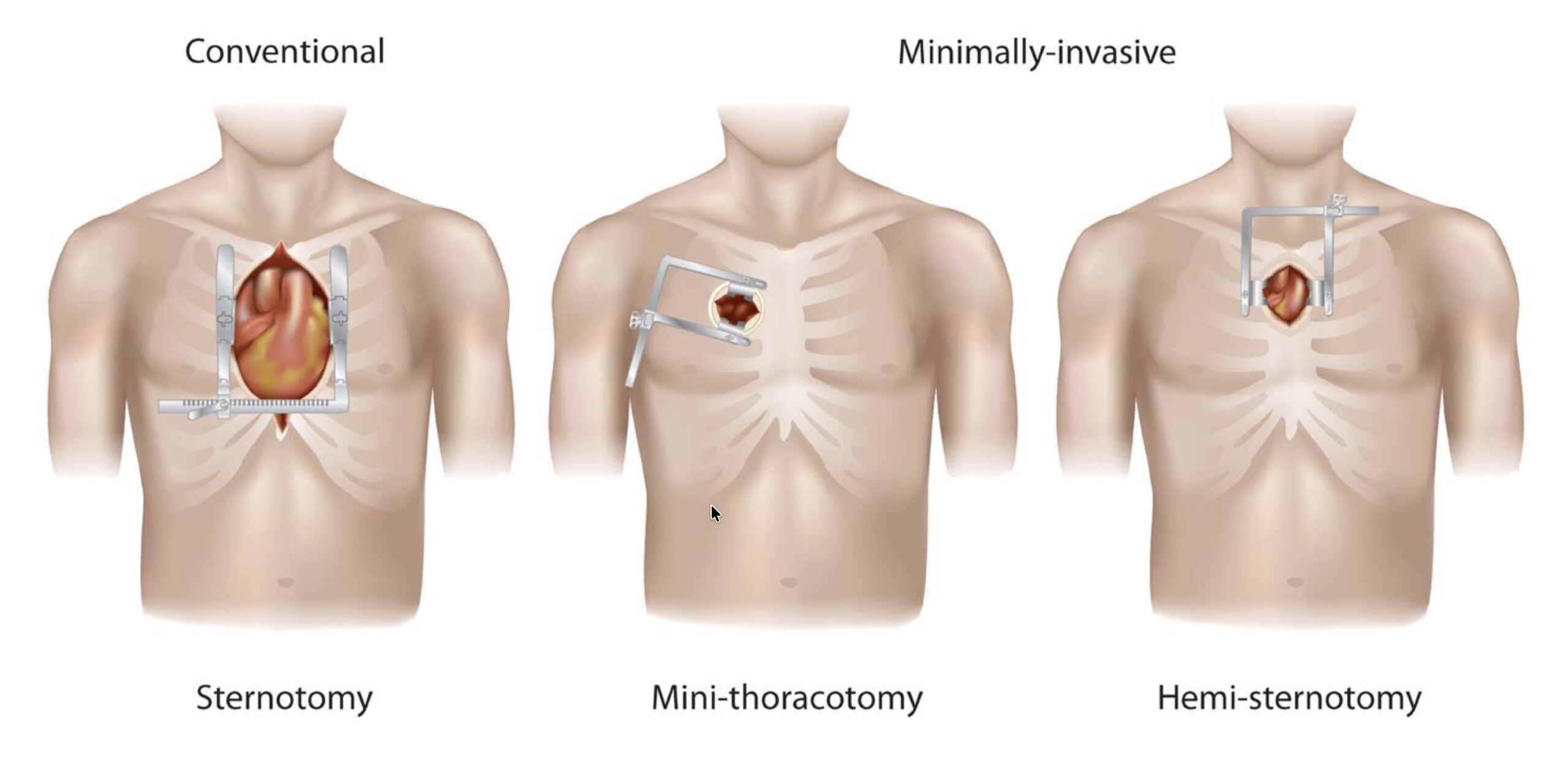
There are many benefits to keyhole surgery over traditional open-heart surgery, which is why we recommend it for all our eligible patients.
Explore the benefits of our keyhole tricuspid valve repair and replacement.
- Less recovery time is necessary, which means you can get back to your daily life and favourite activities in weeks rather than a few months.
- Less bleeding because the incision is so much smaller.
- Less chance of infection with scarring
- Virtually no chance of any bone infection as the breastbone remains intact.
- Scarring is smaller and much less noticeable, making it a more aesthetically pleasing outcome.
- Much less pain. Although you will experience discomfort, the pain should not rival that of open-heart surgery, as no bones are broken, and the incision is so much smaller.
Transcatheter Tricuspid Valve Implantation (TTVI)
At The Keyhole Heart Clinic, we also provide transcatheter tricuspid valve implantations to treat certain stenosis cases. TTVI is a less invasive type of treatment and is best for people who are too weak to undergo traditional heart surgery.
Your personal health history will also determine whether a TTVI approach is best for you, and this will all be covered in your consultation.
During a TTVI procedure, we:
- Insert a catheter into a small incision – usually on the leg.
- The catheter passes to the heart and is positioned where the natural or mechanical valve replacement needs to be placed.
- A balloon on the end of the catheter is gently inflated, and the replacement valve is inserted.
This is a minimally invasive procedure:
- Only leaves subtle scarring
- Allows you to return to your daily activities soon after.
Share and subscribe to our informative YouTube channel on heart health and watch your family’s understanding of tricuspid valve disease transform.
Keyhole Heart Clinic: Expert Support, Valve Repair & Replacement
Mr Inder Birdi, cardiologist and director of The Keyhole Heart Clinic, is one of the few surgeons worldwide with the qualifications and experience to perform minimally invasive surgeries like:
As early intervention and prevention are the best approaches to heart health, we provide comprehensive heart screening services at our London and Essex Heart Clinics.
Book an appointment or give us a call, and a friendly member of the team will be glad to answer any questions you may have about tricuspid valve stenosis surgery in London.
Services
How We Can Help You


Coronary Artery Bypass Graft (CABG) Keyhole Surgery

Keyhole Aortic Valve Replacement Surgery


Keyhole Atrial Septal Defect (ASD) Repair

Keyhole Mitral Valve Repair

Keyhole Tricuspid Valve Repair & Replacement Surgery
Minimally Invasive Mitral Valve Replacement Surgery
Quadruple Heart Bypass Surgery