Mitral Valve Disease
The mitral valve is one of four valves in your heart, and it's the most complex one. It's also the most likely to develop health complications. There are different treatments for mitral valve disease, including keyhole heart surgery.ASSOCIATED CONDITIONS


KEYHOLE SURGERY
- Coronary Artery Bypass Graft (CABG) Keyhole Surgery
- Keyhole Aortic Valve Replacement Surgery
- Keyhole Atrial Septal Defect (ASD) Repair
- Keyhole Mitral Valve Replacement Surgery
- Keyhole Tricuspid Valve Repair & Replacement Surgery
- Mitral Valve Repair
- Quadruple Heart Bypass Surgery
- Triple Bypass Surgery
HEART CONDITIONS
What is Mitral Valve Disease?
Understanding the normal function of the mitral valve provides important context when discussing mitral valve disease (MVD).
The mitral valve is an essential part of how your heart pumps blood through the body.
- Location: Between the left atrium and left ventricle of the heart.
- Structure: Usually made up of two flaps (leaflets), the anterior and posterior leaflets.
- Function:
- Oxygen-rich blood flows from the lungs into the left atrium through the pulmonary veins.
- When the atrium fills with blood, the mitral valve opens, allowing blood to move into the left ventricle.
However, this doesn’t always happen naturally.
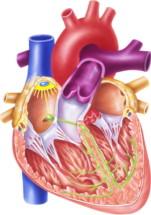

The mitral valve can have multiple problems that can, unfortunately, lead to a few different types of mitral valve diseases.
Read our guide to mitral heart valve disease: types, symptoms, causes and treatments.
Types of Mitral Valve Disease
The main mitral valve diseases are:
- Mitral valve stenosis: The valve’s opening becomes rigid and too narrow, making it hard for blood vessels to flow through into the main chamber of the heart
- Mitral valve regurgitation: The strings that prevent the leaflets from opening the wrong way can either elongate or rupture. This prevents the valve from closing correctly, leading to blood leaking backwards.
- Mitral valve prolapse: The valve bulges backwards when it closes instead of staying in place. It’s a common heart valve disease, especially in women.
Mitral Valve Disease Symptoms
In the case of mitral stenosis, the symptoms of mitral valve disease are:
- Tiredness
- Shortness of breath.
- Swollen feet and legs
- Heart palpitations
- Chest pain
- Dizziness
If you are experiencing mitral valve regurgitation, the symptoms are often
- Shortness of breath
- Light-headedness
- Coughing
- Heart palpitations
- Swollen feet and an
- Excessive need to urinate
People with mitral valve prolapse may also experience:
- Chest pain
- Fatigue or tiredness
- Weakness
- Feelings of anxiety or panic attacks
Mitral valve prolapse is often linked with mitral regurgitation, which is usually mild but can progress over time.
As you can see, the symptoms of mitral valve stenosis and regurgitation are similar in some respects. Consult a doctor as soon as possible if you worry you may be suffering from any type of mitral valve disorder.
Mitral Valve Disease Causes & Risk Factors
These are some of the cases of mitral heart valve disease:
- Rheumatic fever (when this is the cause, it’s called rheumatic mitral valve disease)
- Damage caused by a heart attack
- Untreated high blood pressure (pulmonary hypertension)
- Alcohol abuse
- Infection
Risk factors:
- Aging
- Congenital heart defect
- Other types of heart disease
- Chest radiation
Mitral Valve Disorder Complications
Mitral valve disease is a common heart condition that, if left untreated, can sometimes lead to heart failure or serious complications.
- Congestive heart failure
- Infection of the heart valve (endocarditis)
- Heart rhythm disturbances (arrhythmias)
- Stroke
- Rapid heartbeat (atrial fibrillation)
- Blood clots
- Sudden cardiac death (extremely uncommon in mitral valve prolapse)
Mitral Valve Disease Treatment
The best way to determine the right treatment for mitral valve disease is to see a specialist as soon as possible. Catching and treating it early may be more beneficial in the long term. Usually, if it is mild, treatment may not be necessary. Leading a healthy lifestyle may ease symptoms.
Learn more about your treatment options for mitral heart valve disease.
Medical Management
While no medication can cure mitral valve stenosis, many medications can reduce the symptoms, such as:
- Certain diuretics
- Blood thinners
- Beta-blockers (to slow your heart rate)
Should your case be severe, your doctor may recommend you for a mitral valve repair or replacement.
Blood-thinning medication is often continued after surgery because there’s still a risk of blood clots forming, especially if you have an irregular heartbeat.
Mitral Valve Replacement or Repair Surgery
We recommend mitral valve surgery when the valve is leaking severely (mitral valve regurgitation) or has become too narrow (mitral stenosis).
We may suggest surgery if:
- You have symptoms caused by severe mitral valve regurgitation.
- You have severe mitral regurgitation but no symptoms, and tests show signs of heart strain, irregular heartbeat, or high pressure in the lungs (pulmonary hypertension).
- You have severe mitral regurgitation with normal heart function, but surgery is likely to achieve a strong, long-lasting repair when performed by an experienceda mitral surgeon.
Whenever possible, mitral valve repair is preferred over valve replacement, as it helps preserve your heart’s natural function.
Benefits of Keyhole Mitral Valve Surgery
At the Keyhole Heart Clinic, we offer a gentler alternative to traditional open-heart surgery. Instead of a large incision, our keyhole mitral valve repair or replacement surgery uses small openings, which means you get these benefits:
- Smaller incisions: We use just a few tiny cuts instead of breaking open your chest bone, so there’s less trauma to your body
- Less pain and discomfort: Due to the smaller incisions, you’ll likely experience less pain during recovery
- Faster healing: Most patients return to their normal activities much quicker than with traditional surgery
- Smaller scar: The small incisions leave minimal scarring
- Lower infection risk: Smaller wounds mean there’s less chance of infection
- Shorter hospital stay: You’ll spend less time in the hospital and more time recovering at home
- Reduced blood loss: The minimally invasive approach typically involves less bleeding during surgery
Our team has over 20 years of experience in keyhole surgery and is dedicated to giving you excellent care while keeping your recovery as smooth and quick as possible.
Choosing Replacement Valves
When a damaged mitral valve needs to be replaced, we choose between two main types of artificial valves: mechanical valves and biological (tissue) valves.
Keyhole Heart Clinic: UK’s Elite Private Heart Healthcare
Led by Mr Inder Birdi, The Keyhole Heart Clinic brings advanced heart care within your reach. Mr Birdi is among a small group of surgeons worldwide who perform keyhole coronary bypass surgery and keyhole aortic valve repair.
In 2022, he performed the UK’s first successful quadruple heart bypass using keyhole techniques. We are proud of this milestone that reflects our clinic director’s commitment to advancing patient care. He is proficient in many other procedures, including:
We also offer comprehensive heart screening services.
Get in touch for more information about mitral valve disease or to book an in-person or Zoom appointment.
Services
How We Can Help You


Coronary Artery Bypass Graft (CABG) Keyhole Surgery

Keyhole Aortic Valve Replacement Surgery


Keyhole Atrial Septal Defect (ASD) Repair

Keyhole Mitral Valve Replacement Surgery

Keyhole Tricuspid Valve Repair & Replacement Surgery
Mitral Valve Repair
Quadruple Heart Bypass Surgery