High Blood Pressure
High blood pressure is often a silent, but deadly, medical condition if left untreated. Also known as hypertension, it can lead to serious health problems and is a significant, but treatable, risk factor for cardiovascular disease.

KEYHOLE SURGERY
- Coronary Artery Bypass Graft (CABG) Keyhole Surgery
- Keyhole Aortic Valve Replacement Surgery
- Keyhole Atrial Septal Defect (ASD) Repair
- Keyhole Mitral Valve Replacement Surgery
- Keyhole Tricuspid Valve Repair & Replacement Surgery
- Mitral Valve Repair
- Quadruple Heart Bypass Surgery
- Triple Bypass Surgery
HEART CONDITIONS
What is High Blood Pressure?
High blood pressure, or hypertension, is when the pressure in the major arteries of the body is elevated, putting pressure on your artery walls and heart. This is a common condition that can affect people at any age.
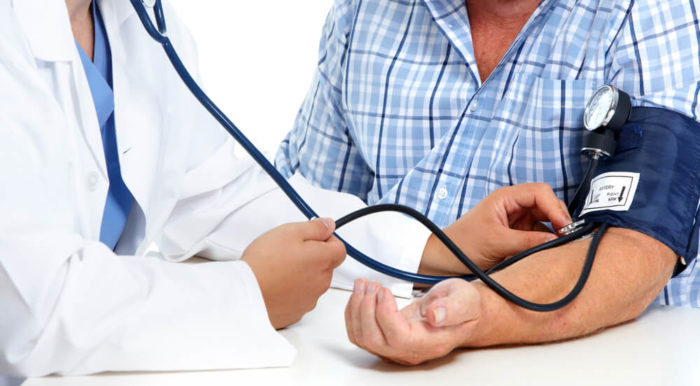
Your blood pressure is measured in mmHg (millimetres of mercury) and will show as two numbers:
- Systolic blood pressure: The higher number represents the force that your heart pumps blood around your body.
- Diastolic blood pressure: The second, lower number measures the resistance to the blood flow within your blood vessels.
Many people may not realise they have high blood pressure, even though the heart is working much harder than normal to pump blood throughout the body. The systolic pressure measures how much force your blood exerts against the artery walls when the heart beats, while the diastolic pressure measures that force when the heart relaxes between beats.
Blood Pressure Numbers
You should have your blood pressure checked regularly during adulthood, as high blood pressure can occur in both young adults and the elderly.
- A blood pressure reading over 140/90mmHg is considered high.
- Normal blood pressure: <120 /<80
| Pressure (mmHg) | Systolic | Diastolic |
| Normal range | <120 | <80 |
| Elevated | 120-129 | <80 |
| Stage 1 hypertension | 130-139 | 80-89 |
| Stage 2 hypertension | ≥ 140 | ≥ 90 |
Most adults should aim for:
- Less than 130/80 mm Hg (if you’re under 65 years old)
- Less than 130 systolic (if you’re 65 or older)
High Blood Pressure Symptoms
As there are often no symptoms of high blood pressure, it can be difficult to realise you may have it unless you check your blood pressure regularly.
We believe that you should have a blood pressure check once every few months. If you are on medication for high blood pressure, you should monitor and record it more regularly.
Some of the signs and symptoms of high blood pressure:
-
Chest pain
-
Headaches
-
Dizziness
-
Blurred vision
-
Shortness of breath
-
Nosebleeds
-
Palpitations
These symptoms, either in isolation or in combination, are a warning sign that shouldn’t be ignored, as there is a risk of a heart attack. However, these symptoms are uncommon and usually occur only when blood pressure is extremely high.
It is normal for your blood pressure to fluctuate throughout the day and night. Depending on the activities you are undertaking, you can normally tell why your blood is pumping faster than usual, such as moving around compared to sitting still, and exercising compared to sleeping.
The biggest warning sign of a persistent problem is your blood pressure being high after a period of rest (5-10 minutes).

Causes of High Blood Pressure
There are two types of hypertension, differentiated by their causes.
Primary hypertension accounts for more than 95% of all high blood pressure cases in adults. It’s called “primary” because it’s the main condition. In short, there’s no other underlying disease causing it.
Factors that make it more likely to develop high blood pressure:
-
Have a family history of high blood pressure
-
Smoking
-
Being overweight
-
Eating too much salt
-
Unhealthy diet
-
Not enough exercise
-
Stress
-
Lack of sleep
-
Drinking too much alcohol or caffeine
-
Lack of fruit and vegetables
-
Getting older
As you can see, many of the causes of high blood pressure are preventable with changes to diet and lifestyle.
Secondary hypertension is high blood pressure caused by another underlying medical condition or medication. It’s called “secondary” because the high blood pressure is secondary to (caused by) something else.
Secondary hypertension accounts for less than 5% of all high blood pressure cases, but it’s important to identify because treating the underlying cause may help control your blood pressure.
-
Kidney disease
-
Narrowed blood vessels
-
Cushing syndrome
-
Pheochromocytoma
-
Primary Hyperaldosteronism
-
Sleep apnoea
-
Certain medications (including some birth control pills)
-
Excessive alcohol consumption
-
Obesity
Risks of High Blood Pressure
Untreated high blood pressure is a risk factor for heart disease. It can also lead to serious conditions such as:
-
Heart failure
-
Heart attacks
-
Stroke
-
Aortic aneurysms
-
Kidney disease
-
Vascular dementia
-
Blood vessel rupture
-
Retinopathy (damage to the eyes)
Diagnosis
We offer a range of private heart screening packages designed to help you understand your cardiac risk. We can also investigate any symptoms you may be experiencing to ensure that you have not developed a heart condition which requires treatment.
If you test your blood pressure at home, always record your results in a diary and present the data to your doctor. Your doctor can then verify your blood pressure by measuring it for you, or by attaching a 24-hour blood pressure monitor to your arm.
High Blood Pressure Treatment
The first step in treating high blood pressure is usually making healthy lifestyle changes. If your blood pressure is consistently high and you’re at increased risk of heart disease or stroke, we may suggest medication.
If diagnosed with high blood pressure, your doctor may recommend either medicine or lifestyle changes.
Prevention & Lifestyle Changes
Lifestyle changes to lower your blood pressure include:
-
Quitting smoking
-
Reducing caffeine intake and alcohol
-
Exercising regularly and losing weight
-
Eating a healthy, nutritionally balanced diet
-
Reducing salt intake
-
Avoid processed foods
-
Increase your intake of fresh fruit and green vegetables
Blood Pressure Medicines
If lifestyle changes aren’t enough, you will likely start with one of these three types of blood pressure medications:
-
Diuretics: Help your body remove extra salt and water
-
ACE Inhibitors or ARBs: Relax your blood vessels to lower pressure
-
Calcium channel blockers: Help your heart pump more efficiently
We will adjust your dose based on your high blood pressure readings until you reach your target blood pressure.
Understanding the signs of high blood pressure can save your life. Contact us today for advice on high blood pressure and to discuss your options.
Keyhole Heart Clinic: Private Heart Evaluation & Care
At the Keyhole Heart Clinic, we understand that being diagnosed with high blood pressure can be very worrying. Treatment is very effective, and the best course of action is to be proactive.
If you would like more help from us with your blood pressure management or general heart health, we have a team of experts who can help you. We can also provide a second opinion for those recently diagnosed with a heart condition.
Book a consultation with our expert medical team to determine your treatment for high blood pressure.
Services
How We Can Help You


Coronary Artery Bypass Graft (CABG) Keyhole Surgery
Keyhole Aortic Valve Replacement Surgery

Keyhole Atrial Septal Defect (ASD) Repair
Keyhole Mitral Valve Replacement Surgery

Keyhole Tricuspid Valve Repair & Replacement Surgery
Mitral Valve Repair
Quadruple Heart Bypass Surgery