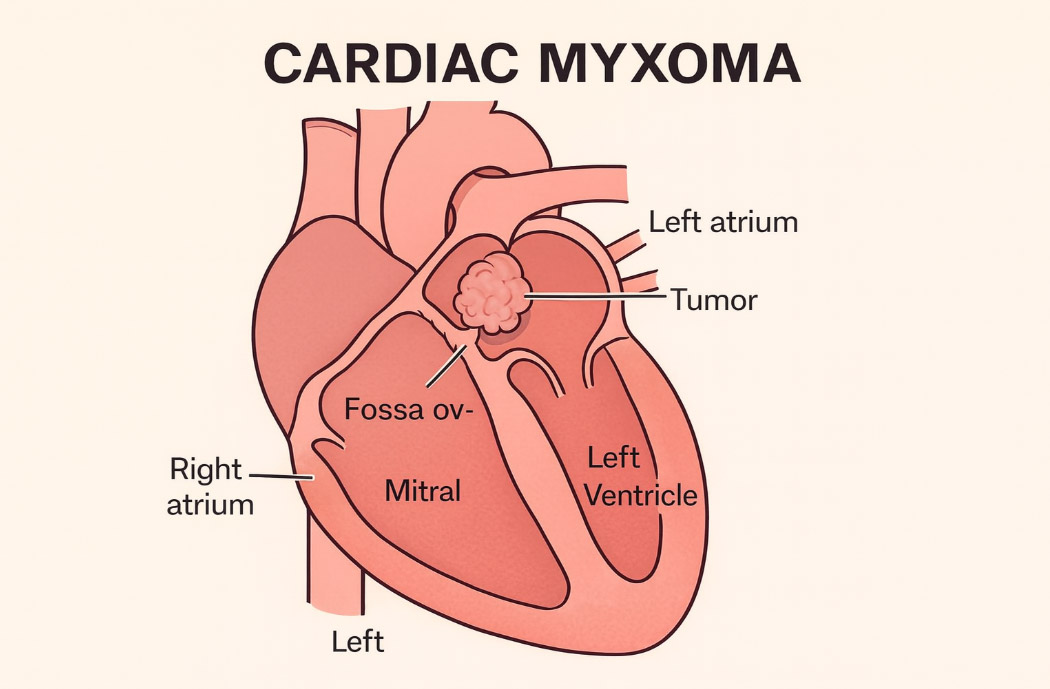
Atrial Septal Defect
An atrial septal defect (ASD), a hole in the heart , is one of the more common congenital heart diseases we find. The Keyhole Heart Clinic offers various treatment options, including minimally invasive surgery, depending on the severity and placement of the defect.ASSOCIATED CONDITIONS


KEYHOLE SURGERY
- Coronary Artery Bypass Graft (CABG) Keyhole Surgery
- Keyhole Aortic Valve Replacement Surgery
- Keyhole Atrial Septal Defect (ASD) Repair
- Keyhole Mitral Valve Replacement & Repair Surgeries
- Keyhole Tricuspid Valve Repair & Replacement Surgery
- Quadruple Heart Bypass Surgery
- Triple Bypass Surgery
HEART CONDITIONS
Overview of Atrial Septal Defect
Learn more about this congenital heart defect, including causes, symptoms, and treatments for atrial septal defects.
What is an Atrial Septal Defect?
An atrial septal defect (ASD) is a hole in the dividing wall of the left and right atrium.
Before birth, this opening is normal:
-
The hole is a part of the regular foetal heart development
-
It allows blood to bypass the underdeveloped lungs before birth
-
In the uterus, a baby receives oxygen from the mother through the umbilical cord, not the lungs
-
Foetal lungs are unable to perform this task while the baby is in the fluid-filled amniotic sac
After birth:
-
When the newborn baby takes their first breaths, the lungs expand and take over the role of providing oxygen
-
The hole between the atria usually closes on its own
-
If it does not close promptly after birth, it is known as an atrial septal defect
A large atrial septal defect results in abnormal blood flow from the left atrium (high pressure) to the right atrium (low pressure) through the upper heart chambers.
Atrial Septal Defect Causes & Risk Factors
Most atrial septal defects (ASDs) happen by chance and have no known cause. However, ASDs can also occur as part of certain genetic conditions, genes (e.g., NKX2-5, GATA4, TBX5) or specific risk factors.
ASDs can be seen more often in some genetic syndromes, including:
- Down syndrome (~80%)
- Holt-Oram syndrome (~65%)
- Ellis-van Creveld syndrome (~60%)
- Noonan syndrome (~20%)
Some maternal factors and exposures may raise the chance of having a baby with an ASD, including:
- Alcohol use during pregnancy
- Smoking
- Certain antidepressant medications
- Ill-proper diabetes management
Atrial Septal Defect Symptoms & Complications
Many people with smaller atrial septal defects may not experience any noticeable symptoms. However, with a larger atrial septal defect, you may notice the following signs:
- Heart murmur: An abnormal “swishing” sound heard through a stethoscope when your doctor listens to your heartbeat due to the increased blood flow in the lungs
- Heart palpitations: A feeling that your heart is racing, fluttering, or beating irregularly
- Shortness of breath: Trouble breathing, especially during physical activity or exercise
- Pulmonary hypertension: Increased blood pressure in the arteries of the lungs, which can cause fatigue and chest discomfort
- Stroke: In some cases, a blood clot may travel through the defect and reach the brain
- Cyanosis (rare): A bluish tint to the skin, lips or fingernails, indicating lower oxygen levels in the blood
An untreated atrial septal defect can lead to serious complications over time, including:
- Irregular heartbeats (arrhythmias)
- Heart failure
- Damage to the lungs
- Thromboembolism (where blood clots block blood flow)
- Eisenmenger syndrome (oxygen-rich blood from the heart mixes with oxygen-poor blood, eventually reversing flow and leading to low oxygen levels and cyanosis)
With proper diagnosis and treatment, many of these complications can be effectively managed or even prevented. If you’re experiencing any of these symptoms, you should discuss them with your healthcare provider.
Diagnosing Atrial Septal Defects
Because the types of ASD heart defects can differ so much, they are best assessed in specialist centres, like the Keyhole Heart Clinic in London. There, our multidisciplinary team can consider all treatment options.
We can do the following tests to diagnose ASD:
- Electrocardiogram (ECG)
- Cardiac magnetic resonance (CMR)
- Computed tomography (CT)
- Echocardiography
Cardiac catheterisation is usually not needed for ASDs. It’s reserved for patients with pulmonary hypertension, older ages and increased risk of left heart disease, to guide safe closure and treatment decisions.
Types of Atrial Septal Defects
Atrial septal defects are grouped by where they occur in the wall between the heart’s upper chambers. Knowing the different types can help you understand your or your loved one’s condition and feel more confident when discussing treatment options.
There are 3 main types of ASDs:
1. Ostium Secundum Atrial Septal Defects
Ostium secundum ASD is the most common form, representing approximately 75% of all atrial septal defects.
- This defect is in the central area of the wall separating the two upper chambers of the heart
- It is considered an actual gap or opening in the atrial septum (the dividing wall)
- This type occurs more often in women, accounting for 65–75% of diagnosed cases
- It may appear on its own or alongside other heart abnormalities
2. Ostium Primum Defect
This type accounts for roughly 15% of all ASD cases.
- The defect is positioned in the lower section of the atrial septum
- It belongs to a spectrum of conditions known as atrioventricular (AV) septal defects
- Ostium primum ASD is frequently seen together with a shared or common AV valve (the heart valve between the upper and lower chambers), or a large ventricular septal defect, particularly in the complete form of this condition
- This type affects all genders equally
3. Sinus Venosus Atrial Septal Defects
Sinus venosus ASDs are less frequently encountered than secundum or primum types, making up about 10% of all atrial septal defects.
- All genders are equally affected by this type.
- These defects are usually found at the junction of the right upper chamber meets the superior vena cava, one of the major blood vessels that brings blood back to the heart.
- This type is often accompanied by a related condition called partial anomalous pulmonary venous return (PAPVR).
- With PAPVR, the blood vessels returning from the lungs connect to the right side of the heart rather than the left side, as they usually do.
Less Common Types of Atrial Septal Defects
Though rare, we occasionally encounter these additional variants:
- Inferior vena cava (IVC) form of sinus venosus ASD: This defect occurs near where the inferior vena cava (the large vein from the lower body) meets the right upper chamber.
- Coronary sinus septal defect (also called an unroofed coronary sinus): This creates an abnormal opening that allows blood to flow from the coronary sinus into the left upper chamber, resulting in what’s known as a left-to-right shunt.
Atrial Septal Defect Treatment
If the ASD is large, it should be closed in early childhood to prevent long-term damage to the circulation and the lungs. Sometimes the diagnosis is made in adulthood, and if the hole is large, it should be closed. If closed promptly, the long-term outlook is excellent.
There are two main approaches to treating atrial septal defects.
Percutaneous ASD Closure
For many patients, a hole in the heart can be closed without surgery. Instead, we use a non-surgical (ASD) atrial septal defect treatment with a special closure device.
At the Keyhole Heart Clinic, we use the AMPLATZER® Septal Occluder:
- Small, mesh-like device made from biocompatible material
- Fits securely on both sides of the hole, creating an immediate seal
- Your heart’s healthy tissue grows over the device, permanently closing the defect and making it a natural part of your heart wall.
How the procedure works:
- Gentle access: A thin, flexible tube (catheter) is inserted through a vein in your groin and carefully guided to your heart. You’ll be given sedation to keep you comfortable and relaxed.
- Device delivery: The catheter carries the collapsed closure device to the exact location of the heart hole.
- Secure placement: Once in position, the device gently opens like a small umbrella on both sides of the hole, creating an instant seal.
- Natural healing: The Amplatzer device stays permanently in place while your heart tissue gradually grows over it, incorporating it into the heart wall.
Benefits of this approach
- No incisions in your chest or breastbone like with open-heart surgery
- Most patients go home the next day and return to normal activities within a week
- Performed under sedation (you’ll be drowsy but breathing on your own), not general anaesthesia
- Typically, just one overnight hospital stay for observation
ADS Closure Surgery
Keyhole ASD closure is a minimally invasive procedure to repair an atrial septal defect. Unlike traditional open-heart surgery, which requires breaking the breastbone and months of recovery, this advanced technique offers a gentler alternative.
How the keyhole surgery works:
- Comfortable and safe: You’ll be under general anaesthesia, meaning you’ll be completely asleep and pain-free throughout the procedure
- Small incision approach: We perform the surgery through a small opening between the ribs on the right side of your chest
- Expert repair: We can close the defect either by stitching it directly or using a specially designed patch sewn carefully into place
We offer keyhole ASD closure at our London heart clinic and other locations when it’s the right option for you.
Benefits of Keyhole ASD Repair Surgery
Choosing keyhole surgery over traditional open-heart surgery offers several advantages:
- Your breastbone stays intact so that you can recover in weeks rather than months
- No bone break means no risk of bone infection
- Most patients resume daily activities within just a few days after surgery
- The tiny incision leaves a much less noticeable scar for better cosmetic results
- Minimal pain since there’s no breastbone break involved
Medical Therapy
Medical therapy for ASD-related complications includes:
- Pulmonary hypertension: Advanced medications (e.g., endothelin-receptor antagonists, phosphodiesterase-5 inhibitors, prostacyclins) may help manage symptoms. ASD closure is avoided if resistance remains high.
- Arrhythmias and heart failure: Treated with standard medications such as antiarrhythmics, diuretics, or blood thinners.
- Stroke prevention in atrial fibrillation: Anticoagulation guided by individual risk scores.
Explaining your ASD heart condition to family and friends is easier with the proper support. Follow our YouTube channel for clear, patient-friendly videos by Mr Inder Birdi.
The Keyhole Heart Clinic: Minimally Invasive Solutions
We provide next-generation heart treatment options at The Keyhole Heart Clinic. Our clinic of expert healthcare professionals is led by Mr Inderpaul Birdi, a cardiothoracic surgeon with over 20 years of experience in keyhole cardiac procedures.
Mr Birdi is among a small group of surgeons worldwide performing keyhole coronary bypass surgery and other minimally invasive procedures, such as:
- Keyhole mitral valve repair or replacement surgery
- Keyhole tricuspid valve replacement
- Keyhole aortic valve replacement
- Keyhole atrial fibrillation ablation
We also offer comprehensive heart screening services, as early detection improves treatment outcomes and supports a better long-term prognosis.
If you’re unsure about your atrial septal defect care, we can help. Get a second opinion from our expert cardiologist, either at our London clinic or online.
Services
How We Can Help You

Coronary Artery Bypass Graft (CABG) Keyhole Surgery

Keyhole Aortic Valve Replacement Surgery

Keyhole Atrial Septal Defect (ASD) Repair

Keyhole Mitral Valve Replacement & Repair Surgeries


Keyhole Tricuspid Valve Repair & Replacement Surgery

Quadruple Heart Bypass Surgery