

Keyhole Heart Surgery Everything You Need To Know

A complete patient guide by Mr Inderpaul Birdi, Consultant Cardiothoracic Surgeon & founder of The Keyhole Heart Clinic
Keyhole heart surgery – formally known as minimally invasive cardiac surgery – has transformed the way serious heart conditions are treated. Where traditional surgery required a full sternotomy (splitting the breastbone), modern minimally invasive techniques achieve the same clinical outcomes through incisions no larger than a few centimetres. The result is less pain, a shorter hospital stay, and a recovery measured in weeks rather than months.
Yet most patients are never offered this option. Not because they are unsuitable – but because the majority of UK cardiac surgeons were not trained in these techniques. At The Keyhole Heart Clinic, minimally invasive surgery is not a niche offering. It is the standard of care.
Keyhole heart surgery repairs or replaces heart valves and coronary arteries through small incisions, without splitting the breastbone. Patients typically go home in 3–5 days and make a full recovery in 4–6 weeks – compared to 3–6 months with open surgery.
What is keyhole heart surgery?
Keyhole heart surgery is a broad term for any cardiac procedure performed through small incisions in the chest, avoiding the need to fully divide the sternum. Surgeons use specially designed instruments and, in some cases, robotic assistance to access the heart through gaps between the ribs.
The term covers several distinct procedures, including:
- Minimally invasive valve repair and replacement – for conditions including aortic stenosis, mitral regurgitation, and mitral stenosis
- Keyhole coronary artery bypass grafting (CABG) – rerouting blood around blocked coronary arteries without a full sternotomy
- Minimally invasive atrial septal defect (ASD) repair – closing holes in the heart wall
- Tricuspid valve surgery – increasingly performed via keyhole approach at specialist centres
At TKHC, Mr Birdi performs the full range of minimally invasive cardiac procedures, making us one of the few centres in the UK where virtually all elective heart surgery is performed this way.
Keyhole vs open heart surgery: a direct comparison
| Factor | Keyhole | Sternotomy |
|---|---|---|
| Incision size | 5–6 cm | 20–30 cm |
| Bone Cut | No in most cases | Yes fully |
| Hospital stay | 3–5 days | 7–10 days |
| Recovery | 4–6 weeks | 3–6 months |
| Blood loss | Lower | Higher |
| Infection | Reduced | Higher |
| Pain | Significantly less | Greater |
| Outcomes | Equivalent / superior* | Established |
| Scarring | Minimal | Prominent |
*When performed in the right patients by experts.
The Surgeon – Mr Inderpaul Birdi
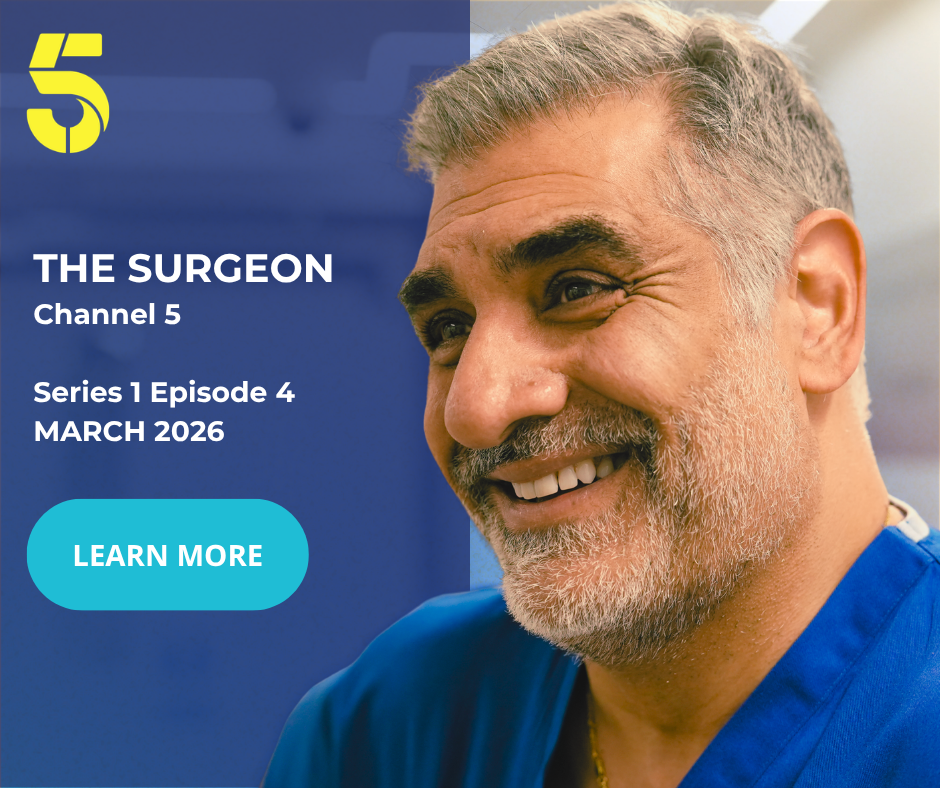
Mr Birdi was featured in Channel 5’s documentary series The Surgeon, which followed consultant surgeons working at the forefront of their specialties. The series gave viewers a rare glimpse into the operating theatre – the precision, the stakes, and the life-changing outcomes that minimally invasive cardiac surgery makes possible. For patients searching for a surgeon they can trust, that transparency speaks for itself.
Who is suitable for keyhole heart surgery?
One of the most important things we do at TKHC is challenge the assumption that open surgery is the only option. The reality is that the majority of patients referred for conventional sternotomy are, in fact, suitable for a keyhole approach — they have simply not been seen by a surgeon who offers it.
Good candidates for minimally invasive cardiac surgery typically include patients with:
- Aortic valve disease (stenosis or regurgitation)
- Mitral valve disease requiring repair or replacement
- Coronary artery disease requiring bypass (in suitable anatomy)
- Congenital defects such as atrial septal defect
- Previous open surgery who need re-do procedures (keyhole often carries lower risk in this group)
Suitability is assessed individually through your imaging, clinical history, and the specific nature of your condition. The consultation at TKHC includes a full review of your case — and an honest answer about whether keyhole surgery is right for you.
Recovery: what to expect
Most patients describe the post-operative experience as significantly more manageable than they expected. You will receive a personalised rehabilitation plan, and our team maintains regular contact throughout your recovery.
Why choose The Keyhole Heart Clinic?
The Keyhole Heart Clinic was founded on a single premise: that every patient who needs heart surgery deserves to know whether a less invasive approach is available to them. Too often, that conversation never happens – because the surgeon performing the operation doesn’t offer the technique.
Mr Birdi trained specifically in minimally invasive cardiac surgery and has performed over 3,000 procedures. He holds a consultant appointment on the GMC Specialist Register in cardiothoracic surgery and publishes his personal outcomes data. His Channel 5 appearance on The Surgeon gave a national audience direct insight into how he works – and why patients travel from across the UK and internationally to be treated at TKHC.
Second opinionsIf you have already been told you need open heart surgery, we strongly encourage you to seek a second opinion before proceeding. Many patients who come to us in this situation find that a keyhole approach is entirely feasible. It is your right as a patient – and it could change your recovery significantly.
How to access keyhole heart surgery privately
The Keyhole Heart Clinic accepts both insured and self-funding patients. We work with all major UK private medical insurers including Bupa, AXAPPP, Aviva, and Vitality. For insured patients, we will liaise with your insurer from the outset. For self-funding patients, we provide a complete, transparent cost breakdown before you commit to anything. Mr Birdi does not work with AXAPPP himself.
The process is straightforward:
- Enquire or self-refer – contact us directly; a GP referral is not required
- Consultation with Mr Birdi – typically within one to two weeks; 45–60 minutes
- Imaging and investigations – arranged the same day where needed
- Treatment plan – clear recommendation with options and timeline
- Surgery scheduled – according to your clinical need and personal timeline
Frequently asked questions
The questions patients most commonly ask when researching keyhole heart surgery — answered by Mr Birdi.
Q01 – What is keyhole (minimally invasive) heart surgery, and how is it different from open heart surgery?
Keyhole heart surgery achieves the same clinical results as traditional open heart surgery but through small incisions – typically 5–8 cm – rather than splitting the breastbone. This means less trauma to your chest, significantly less pain, a shorter hospital stay (often 3–5 days versus 7–10), and a much faster return to normal life. At The Keyhole Heart Clinic, the vast majority of cardiac procedures – including bypass, valve repair, and valve replacement – are performed this way.
Q02 = Is keyhole heart surgery safe? What are the risks compared to traditional surgery?
Keyhole heart surgery, when performed by an experienced specialist, carries comparable safety outcomes to conventional open surgery – and in many cases, lower complication rates due to reduced blood loss and infection risk. Mr Inderpaul Birdi has performed over 2,000 minimally invasive cardiac procedures at 8000 heart procedures over 30 years. As with any surgery, there are risks, and your surgeon will discuss these with you in full during your consultation. The key is choosing a surgeon who specialises specifically in this technique.
Q03 – Am I a suitable candidate for keyhole heart surgery?
Most patients requiring valve surgery or coronary bypass are suitable candidates for a keyhole approach, including many who have been told elsewhere that they need open surgery. Suitability depends on factors such as your heart anatomy, overall health, and the nature of your condition. The best way to find out is a specialist consultation — at TKHC we review your imaging and history in detail and give you an honest assessment of the options available to you.
Q04 – How long is recovery after keyhole heart surgery?
Most patients return home within 3–5 days and are back to light daily activities within 2–4 weeks. Full recovery — including returning to driving, work, and exercise – typically takes 6–8 weeks, compared to 3–6 months following conventional open heart surgery. You will receive a personalised recovery plan, and our team remains in contact throughout your rehabilitation.
Q05 – How much does private heart surgery cost, and will my health insurance cover it?
The cost of private heart surgery depends on the procedure, your specific anatomy, and the level of aftercare required. TKHC works with all major UK private medical insurers including Bupa, AXA Health*, Aviva, and Vitality. If you are self-funding, we provide clear, transparent pricing before you commit to anything. Contact us for a personalised cost estimate. Mr Birdi does not work with AXA.
Q06 – How long will I wait for heart surgery on the NHS versus privately?
NHS waiting times for elective cardiac surgery can currently range from several months to over a year, depending on your clinical priority and region. At The Keyhole Heart Clinic, most patients are seen for a consultation within one to two weeks, with surgery scheduled according to your medical need and personal timeline — often within weeks rather than months. If you have symptoms or your condition is progressing, early treatment makes a significant difference to outcomes.
Q07 – How do I choose the right heart surgeon in the UK?
Look for a consultant cardiothoracic surgeon on the GMC Specialist Register who performs high volumes of the specific procedure you need – not just cardiac surgery in general. Ask about their personal outcomes data, complication rates, and whether they use a minimally invasive approach where appropriate. At TKHC, Mr Birdi specialises exclusively in minimally invasive techniques and publishes his outcomes transparently. You should always feel you can ask your surgeon direct questions and receive honest answers.
Q08 – How do I know if I need heart surgery, or if I can be treated another way?
Not every heart condition requires surgery – many can be managed with medication or less invasive interventional procedures. Surgery is typically recommended when a structural problem (such as a diseased valve or blocked coronary artery) is causing significant symptoms, is likely to worsen, or poses a risk to your long-term heart function. A specialist assessment – including echocardiography and, where appropriate, CT angiography — is essential before any decision is made. TKHC offers a full cardiac assessment service so you know exactly where you stand.
Q09 – I have been told I need open heart surgery. Should I seek a second opinion?
Absolutely – and we would actively encourage it. Many patients referred for conventional open surgery are suitable for a keyhole approach that their original surgeon may not perform. A second opinion is not disloyal to your existing doctor; it is your right as a patient and a sign of taking your health seriously. Mr Birdi sees many patients specifically for second opinions and will give you an objective assessment of all available options.
Q10 – What happens at my first consultation at The Keyhole Heart Clinic?
Your initial consultation with Mr Birdi typically lasts 45–60 minutes. He will review any existing imaging and test results, take a thorough history, and examine you. Where necessary, additional investigations such as echocardiography or a cardiac CT scan can be arranged the same day at our partnered facilities. You will leave with a clear diagnosis, an honest discussion of your options, and – if surgery is recommended – a proposed treatment plan. There is no pressure and no obligation.
Ready to take the next step?
Book a consultation with Mr Inderpaul Birdi and find out whether keyhole heart surgery is right for you. No GP referral needed.
Request a consultation →