Keyhole Aortic Valve Replacement Surgery
Aortic valve replacement surgery is used to treat advanced forms of aortic valve disease, including aortic stenosis or aortic regurgitation. At The Keyhole Heart Clinic, we provide minimally invasive procedures to treat a diseased aortic valve.Last review by Mr Inderpaul Birdi (GMC 3407978): March 2026
2 Weeks
is the average surgery wait time*
2000
minimally invasive procedures
100+
5-star patient reviews.
Read now
35 Years
of clinical and surgical experience
ASSOCIATED CONDITIONS


KEYHOLE SURGERY
- Coronary Artery Bypass Graft (CABG) Keyhole Surgery
- Keyhole Aortic Valve Replacement Surgery
- Keyhole Atrial Septal Defect (ASD) Repair
- Keyhole Mitral Valve Repair
- Keyhole Tricuspid Valve Repair & Replacement Surgery
- Minimally Invasive Mitral Valve Replacement Surgery
- Quadruple Heart Bypass Surgery
- Triple Bypass Surgery
HEART CONDITIONS
What Is Aortic Valve Replacement Surgery?
Disclaimer: The information on this page is for general guidance only and does not replace a clinical consultation from a healthcare professional. Mr Birdi will assess your suitability for any treatment at your appointment.
Aortic valve disease can significantly impact heart function and, if left untreated, may lead to serious health complications. When you need an aortic valve replacement (AVR), traditional open-heart surgery has long been the standard approach.
At the Keyhole Heart Clinic, we offer an alternative, minimally invasive procedure. Our keyhole heart valve surgery can help you heal faster without needing to break the breastbone. Keyhole heart surgery, also known as minimally invasive heart surgery, uses small incisions between the ribs instead of traditionally breaking the breastbone.
Surgeons operate through these openings using specialised instruments and cameras. Many patients experience less pain, fewer complications and faster recovery times, although outcomes vary depending on the procedure, surgeon skill and individual health.
Aortic Valve Diseases That May Need Replacement Surgery
The aortic valve is the final point that allows blood flow from the heart into the aorta, sending oxygen-rich blood to the rest of the body. The pulmonary valve and the aortic valve are two of the main valves. They must open and close correctly to ensure proper one-way circulation.
Aortic valve problems occur when the valve opening is damaged, a condition known as aortic valve disease, which can restrict or allow blood flow to leak backwards. This can impair heart function and lead to serious complications.
Aortic valve disease includes:
- Aortic Valve Stenosis: Aortic stenosis occurs when the valve leaflets become stiff or calcified. The now-narrowed aortic valve has a tightened opening, restricting blood flow. Without treatment, severe aortic stenosis can lead to heart failure or sudden cardiac death.
- Aortic Valve Regurgitation: Aortic regurgitation occurs when the damaged aortic valve fails to close properly, allowing blood to leak backwards into the heart. The heart compensates by enlarging and pumping blood harder.
- Congenital Aortic Valve Defects: Most often, this involves a bicuspid aortic valve, which has two leaflets instead of the usual three. Though present from birth, symptoms may not appear until adulthood. This congenital abnormality increases the risk of early-onset valvular heart disease.
You can learn more about these conditions, including symptoms, causes and diagnosis, on our dedicated pages.
When is Treatment Required for Heart Valve Disease?
As the damaged valves progress or symptoms worsen, treatment is often necessary. Interventions such as aortic valve replacement or repair aim to improve blood flow from the coronary arteries and prevent further decline from aortic valve disease.
Common symptoms that may indicate aortic valve problems include:
|
|
Types of Aortic Valve Replacement Surgery
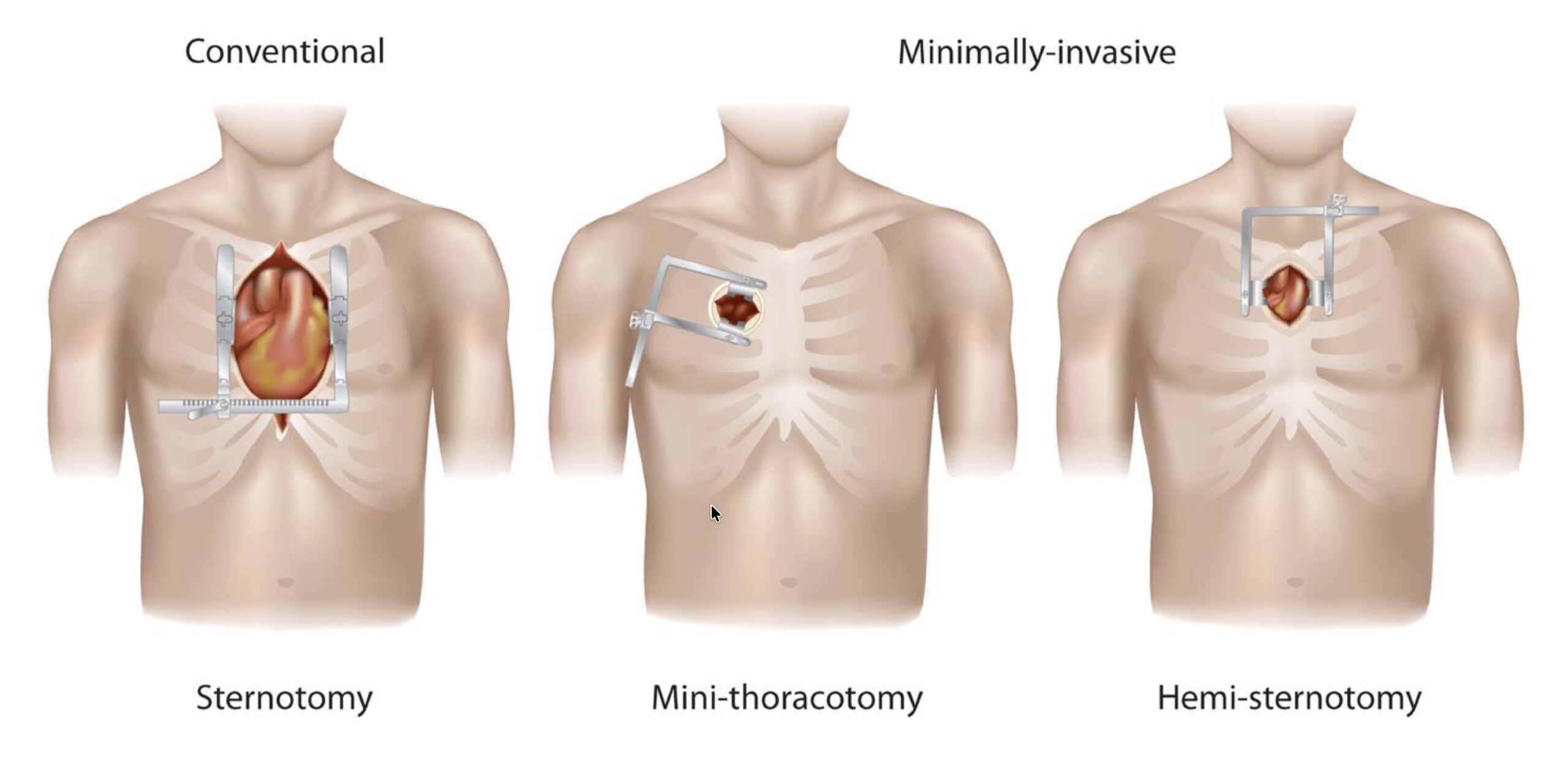
Below is a comparison of some of the main techniques and how they differ for the patient in terms of results:
Keyhole Anterior Right Thoracotomy
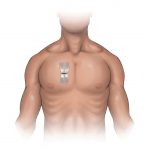

In many cases, we can now avoid breast bone division altogether by making a small cut between the ribs on the right side of the chest (Anterior Right Thoracotomy or ART).
Features and potential benefits of this procedure are:
• No broken bone
• Some patients recover in two weeks
• Less Pain / Bleeding
• Better Breathing
• No bone infection
• Typically resume normal activities after a short recovery period
Traditional (Invasive) Sternotomy
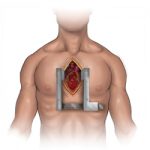
Also known as open-heart surgery, the chest bone is broken to access the aortic valve. Features of this procedure are:
• Full Breastbone Division
• 12 weeks to heal
• Risk of bone infection
• Mild to moderate pain
• Cosmetically less appealing
Ministernotomy
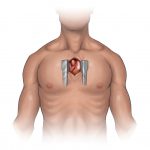
Aortic valve replacement operations can be performed through keyhole (minimally invasive) incisions that either divide only a tiny portion of the breastbone (ministernotomy).
Features and potential benefits of this procedure are:
• Less Pain / Bleeding
• Better Breathing
• Improved cosmetic appeal on sternotomy
• Quicker recovery than sternotomy
During your consultation, our medical experts, with over 20 years of experience in keyhole aortic valve surgery, will determine the most effective treatment.
Heart Valve Replacement Valve Options
Various factors determine which replacement valve is right for your case, such as age and lifestyle.
- A mechanical valve replacement is made from durable materials such as carbon and metal. These valves are designed to last a lifetime. However, they do require lifelong blood-thinning medication to prevent blood clots.
- A biological valve replacement is usually made from animal tissue, such as that of a pig or cow. A biological valve typically lasts between 10 and 15 years. This type is often recommended for older patients, as it avoids the need for long-term blood thinners.
Keyhole Aortic Valve Replacement at The Keyhole Heart Clinic
Given that traditional methods can be far more intrusive, take longer to recover from, and be less cosmetically appealing, we generally prefer to offer suitable patients the minimally invasive aortic valve replacement operation.
Explore the details of our aortic valve replacement procedure that could lead to a faster, smoother return to your daily routine.
Minimally Invasive Aortic Valve Replacement Surgery
Cardiac surgeon Mr Inderpaul Birdi has been performing keyhole aortic valve replacement surgery for over two decades. This means we are experienced in providing alternative treatments that typically have faster recovery, less pain, and fewer long-term complications.
A keyhole heart valve replacement is generally:
- Well-suited for rapid-deployment or sutureless valves
- Can be safely converted to a full sternotomy if needed during surgery
- May also be helpful for some patients who have previously had coronary artery bypass surgery, where existing grafts can make a traditional approach more complex.
You can learn more about how minimally invasive techniques work in our guide to keyhole heart surgery.
Determining Suitability for Keyhole Replacement of the Aortic Valve
Keyhole procedures for aortic valve replacement are not suitable for every patient. It requires specialist expertise and careful pre-operative planning.
In some cases, additional imaging such as a CT scan may be needed to assess the aorta and surrounding structures.
Your consultant will discuss whether a keyhole approach or a conventional operation is the safest and most appropriate option for your individual condition.
Sutureless Aortic Valve Replacement Surgery
Sutureless replacement valves are essentially the same as traditional tissue valves, and the long-term durability of the prosthesis is excellent. The advantage of these valves lies in their ability to be deployed very swiftly.
This makes them very suitable for patients who need a swift operation to reduce the risk of invasive surgery. They also facilitate minimally invasive AVR procedures because of their ease and speed of deployment.
Clinical research involving hundreds of patients treated across multiple European hospitals has examined outcomes with sutureless valves. Strong survival rates were reported, and a significant improvement in symptoms.
Possible Complications of AVRLike any heart surgery, aortic valve replacement has potential complications that you should be aware of. Complications of AVR surgery can include:
| Risk Factors of AVRRisk factors influencing outcomes after AVR surgery include:
|
Post Keyhole Aortic Valve Replacement Operation Recovery
Keyhole surgery typically offers a faster recovery and improved quality of life compared to open-heart surgery, though everyone’s journey is different.
Here is what you can expect post-surgery.
Days 1–4 | In Hospital
-
Pain relief provided; tell staff if uncomfortable
-
Gentle movement is encouraged from day one
-
Wounds monitored; heart rate and blood pressure checked regularly
-
Temporary drains removed before discharge
Weeks 1–4 | At Home
-
Rest well; short walks to build stamina and energy
-
No heavy lifting or strenuous activity for 4 weeks
-
Keep wounds clean and dry
-
Some tiredness and low mood are normal. Speak to our healthcare team if you are concerned
Months 2–6 | Rebuilding
-
Gradually increase activity; regular exercise supports heart health and recovery
-
Cardiac rehabilitation is strongly recommended
-
Most patients return to work within 4–6 weeks
-
Driving can usually resume once off strong pain medication
Long Term
-
Manage blood pressure, cholesterol and weight through diet and regular exercise
-
Many patients notice more energy and a better quality of life within a few months
-
Attend follow-up appointments to monitor heart health
-
Avoid smoking
Alternative Procedure for Aortic Valve Replacement
Transcatheter Aortic Valve Implantation (TAVI) is a minimally invasive alternative to surgery for replacing the aortic valve. Instead of removing the damaged valve, a new biological valve is delivered through a catheter (usually via a small puncture in the groin) and expanded within the existing valve. This allows the new valve to take over its function without the need for open-heart surgery.
TAVI is now widely used and may be recommended for:
- Older patients
- Patients with increased surgical risk
- Individuals who would benefit from a less invasive approach
In many cases, TAVI offers comparable outcomes to surgical valve replacement, particularly in appropriately selected patients.
Limitations of TAVI include:
- Pacemaker risk: Expanding the new valve within the old carries a higher risk of disrupting the heart’s electrical system than surgical replacement, sometimes requiring a permanent pacemaker.
- Valve leakage: The seal around a TAVI valve may be incomplete. Significant leakage can occasionally require further surgery.
- Durability: Long-term durability data are still emerging; surgical tissue valves have a more established track record.
- Suitability: TAVI is not appropriate for all valve conditions and is only available in biological tissue form.
The choice between TAVI and surgical aortic valve replacement depends on several factors, including:
- Age
- Overall health and surgical risk
- Valve anatomy
- Long-term treatment goals
We assess every patient individually. Where surgical risk is too high for surgery, TAVI is discussed openly with you and your healthcare team so you can make a fully informed decision about your care.
Benefits of Minimally Invasive Surgery for Aortic Valve Replacement
Keyhole aortic valve surgery is a safe and effective procedure when performed by a specialist surgeon.
The advantages of opting for a minimally invasive surgery to replace the aortic valve may include:
- Quicker healing, better breathing, and swifter discharge from the hospital.
- Our patients also love the improved cosmetic look of the incision.
- The keyhole incisions may minimise the risk of infection and bleeding compared to the traditional full breastbone split.
- Compatible with the most advanced valve options available today
- Your surgeon can adjust the approach during surgery if needed
- Works even for patients who’ve had previous heart procedures
If you suffer from aortic valve stenosis or aortic regurgitation, minimally invasive aortic valve surgery could be the right approach for your long-term health.
Due to the unique surgical approach of this procedure, it often requires non-standard instruments and specialised techniques. The learning curve is steep, which is why choosing an experienced surgical team is essential to achieving the best outcomes.
FAQs
Explore our answers to frequently asked questions about aortic valve replacement operations.
How long does recovery take after aortic valve replacement?
Recovery after minimally invasive aortic valve replacement may take about 2 weeks, though recovery time is different for every patient. Traditional sternotomy surgery can require 10 to 12 weeks for the breastbone to heal.
Are there alternatives to surgery to replace the aortic valve?
Yes, there are alternatives to surgical aortic valve repair or replacement. In high-risk patients who are not suitable for any heart surgery, an alternative treatment called Transcatheter Aortic Valve Replacement is available.
The ongoing limitations of TAVR are the risk of leaks around the edge of the new valve and the lack of long-term durability of TAVR valves, which makes them unsuitable for patients who need a good result beyond 3 to 5 years.
Therefore, the best treatment for patients who are fit enough for heart surgery is still surgical replacement.
What is the better option, transcatheter aortic valve replacement or aortic heart valve replacement surgery?
Choosing between keyhole aortic valve replacement and TAVR depends on several factors such as your age, overall health and the condition of your aortic valve.
Here’s a general guideline to help understand the options:
-
Under 65: Surgical valve replacement is usually recommended, as it offers proven long-term durability.
-
Over 80: TAVR is often preferred due to its lower risk and faster recovery in older patients.
-
Aged 65–80: This is considered a “grey zone.” The best treatment option depends on a combination of medical, anatomical, and lifestyle factors, and should be decided in consultation with a specialist team.
While TAVR is less invasive and can be ideal for certain patients, one current concern is that long-term data on the durability of transcatheter aortic valve implantation are still limited. If you’re medically fit and anatomically suitable, surgery remains the most reliable option for lasting results.
Our team of cardiovascular medicine experts will help you decide which approach is best for you.
How long does a replacement valve last?
The lifespan of a replacement valve depends on the type of valve you receive:
- Mechanical heart valve: A lifetime, but you will need to take blood thinners indefinitely
- Biological valve: Between 10 and 15 years
Contact us to find out if the keyhole aortic valve replacement procedure is right for your condition.
About the Medical Reviewer
Medically reviewed by Mr Inderpaul Birdi, MBBS, MD, FRCS (CTh)
Consultant Cardiothoracic Surgeon | Clinical Lead, The Keyhole Heart Clinic
GMC Registration: 3407978
Mr Birdi is a Fellow of the Royal College of Surgeons with over 20 years’ experience as a Consultant Cardiac Surgeon. He trained at the Royal Papworth Hospital and the Royal Brompton Hospital. As Clinical Lead at The Keyhole Heart Clinic, he is committed to evidence-based care and clear, patient-focused information.
Resources & Further Reading
Services
How We Can Help You


Coronary Artery Bypass Graft (CABG) Keyhole Surgery

Keyhole Aortic Valve Replacement Surgery


Keyhole Atrial Septal Defect (ASD) Repair

Keyhole Mitral Valve Repair

Keyhole Tricuspid Valve Repair & Replacement Surgery
Minimally Invasive Mitral Valve Replacement Surgery
Quadruple Heart Bypass Surgery